
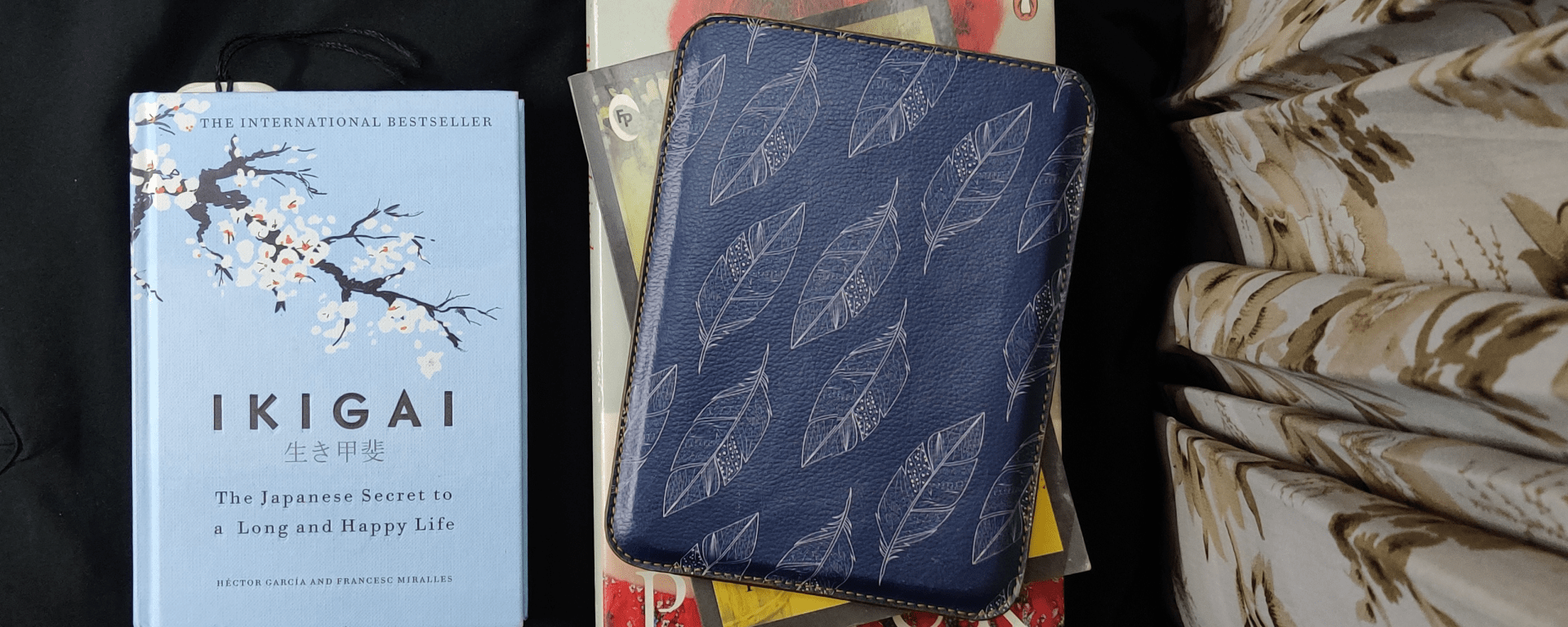
Phew!
I’d be lying if I said it was a breeze reading this book.
When Ikigai took India by storm to quickly become the #1 most sold book in India, I was more than a little intrigued. The back cover showed a very attractive-looking pie chart with what seemed to be an oversimplified equation. Millions of people claimed that this equation helped them find their purpose, their calling in life – and an international bookseller must be worth reading, right? I was about to find out.
Now normally, I steer clear of self-help books like it’s the plague – but this one managed to tickle my curiosity enough to want to read it. It still took me over a year to actually pick up the book and begin – and on the very 2nd page, I see, written in big, bold text –
Whatever you do, don’t retire
Huh. Interesting, given how the idea of working hard for the first 15 years to achieve FIRE has become increasingly popular in the last few years (but more on that some other time). I quickly realised that what the author perhaps meant when he said don’t retire is that ‘always keep doing things with your life that bring you joy.
That being said, from the very beginning, I had a feeling that the book was not really speaking to me personally. I found some of the ideas presented in the book too spiritual for my taste and many of them are oversimplified solutions to the complex modern lifestyle.
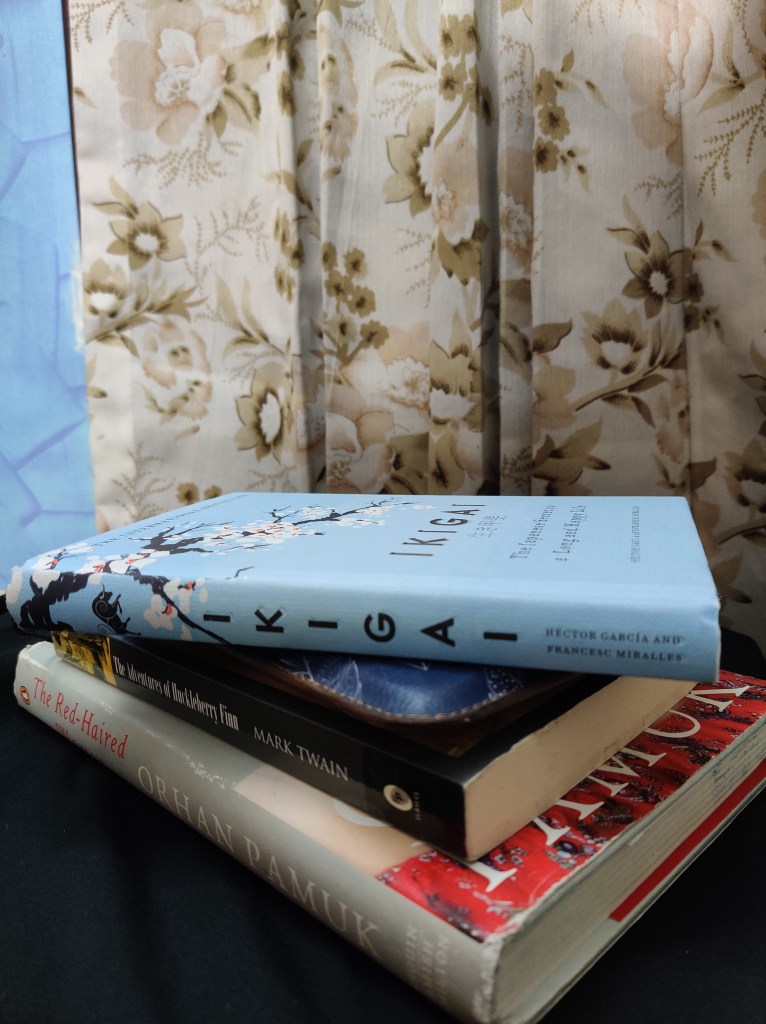
The book frequently refers to “finding a flow” – being so completely immersed in any task that the rest of the world does not matter anymore. Sounds good in theory, definitely. The book even talks about different strategies to help one find their flow. These strategies cover everything from thinking about what you want to do to pushing yourself out of your comfort zone to have clear objectives. This was, perhaps, my favourite part of the book.
For a brief period of time, Ikigai was a book that I could easily pick up where I left off. I liked that every chapter and every subsection in the book was rich with tangible examples and case studies. With how short my attention span had become and considering my current mental state, I appreciated someone telling me how I could find my life’s purpose. I could read for 5 or 15 minutes at a time and return to the book without feeling lost. I almost changed my mind about the book about then things started to go downhill again.
I did not enjoy the second half of the book. At all. Over-repetition of examples and saying the same things in 100 different ways was just not doing it for me. I struggled to read through the second half of the book and stuck to it just for the sake of completion. I did not find the text interesting anymore, nor was I deriving any value from it. In many instances, I realised that I knew more about the subject being discussed in the book.
For example, the book goes on and on about living a healthy life, exercising every day, and the importance of eating a balanced diet. To me, it seemed like common sense. While most of us don’t follow a very healthy lifestyle or are in various stages of trying to follow one, we all know how to follow it, and why we should, right? I did not think the book warranted using up almost 200 pages to educate the reader about the hows and whys of following a healthy lifestyle.
Personally, I found very little to take away from the book. However, I can imagine why the book is potentially a best-seller. As a friend of mine, barely wise, pointed out – “We all understand the same thing in different ways. The same things you have understood through experience, perhaps someone else will understand it the way that the author has said it.”
At the end of the day, if you ask me, I wouldn’t recommend the book to anyone based on my personal experience.
 half-baked tales
You can send Message
Very nice 👍….!!!*
Akka….. Akka….
LikeLike